

NAPREC · Federal policy resource center
Congressional Committees of Jurisdiction
Follow the congressional offices that shape Puerto Rico’s status, food security, healthcare, benefits, veterans’ services and federal funding. See what each committee can do, then go to its official record.
119th Congress (2025–2026) · Leadership and bill records checked October 10, 2026. Committee assignments and bill actions may change.
Find the jurisdiction
Eleven committees. A clearer path to the public record.
An issue can move through more than one committee. Authorizing committees write program law; Appropriations committees consider annual discretionary funding. Referrals for a particular bill are shown on Congress.gov.
House Committee on Natural Resources
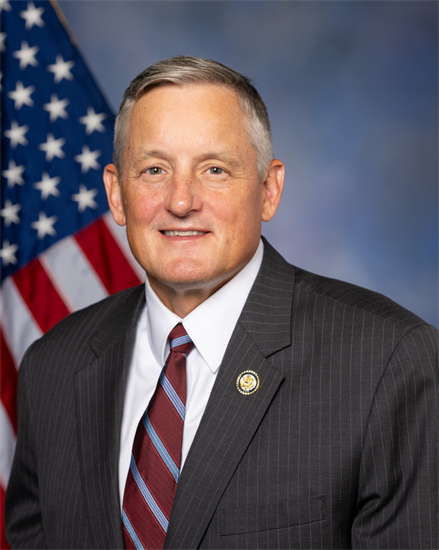
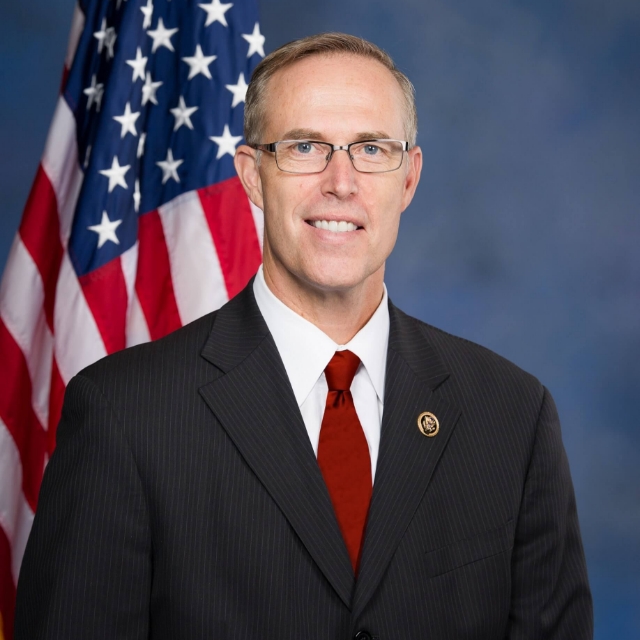
Official portraits: congressional sources.
Political status, territorial law, PROMESA oversight and insular affairs.
- Chair
- Bruce Westerman
- Ranking member
- Jared Huffman
- Relevant subcommittee
- Indian and Insular Affairs
Full membership directory · Hearings and activity · Official public contact
Senate Committee on Energy and Natural Resources
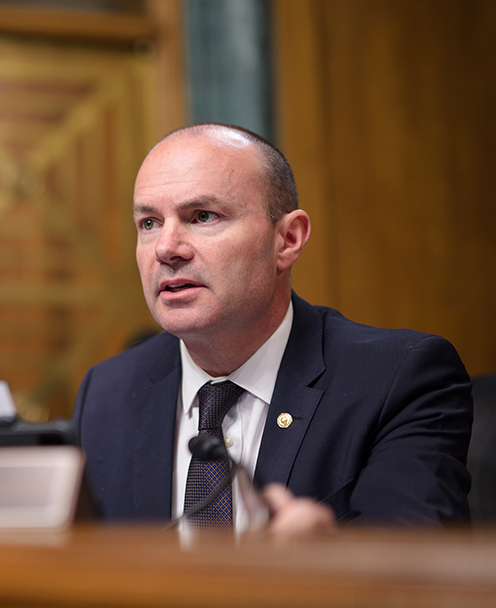
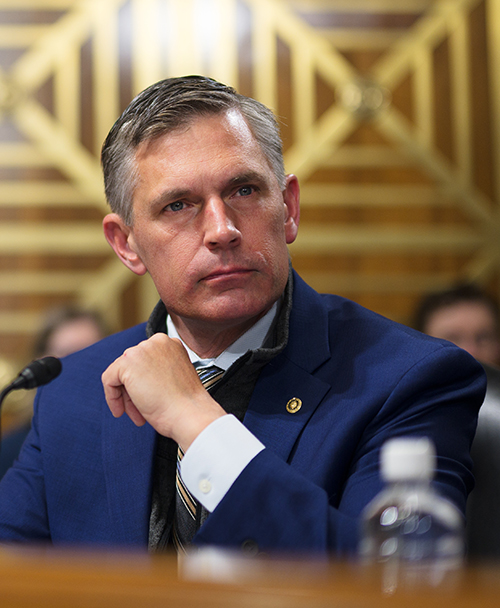
Official portraits: congressional sources.
Territorial policy, status legislation, energy and federal resources.
- Chair
- Mike Lee
- Ranking member
- Martin Heinrich
- Relevant subcommittee
- Full committee: territorial policy and status; Public Lands, Forests, and Mining: territorial affairs
Full membership directory · Hearings and activity · Official public contact
House Committee on Agriculture
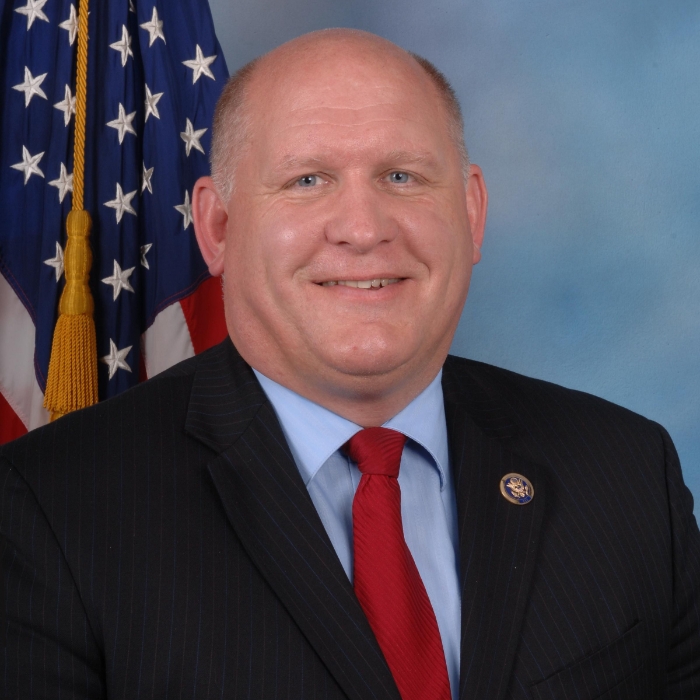
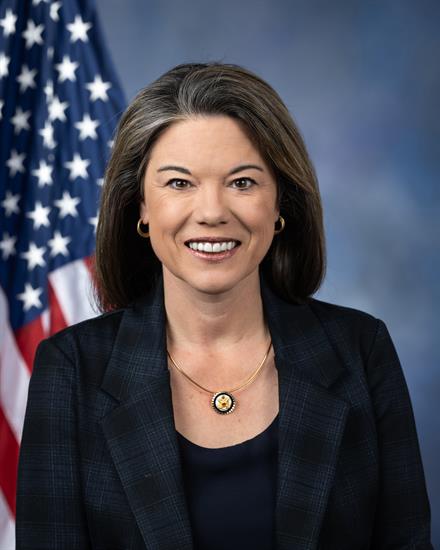
Official portraits: congressional sources.
Food and Nutrition Act, SNAP policy, Farm Bill nutrition provisions and Puerto Rico transition proposals.
- Chair
- Glenn “GT” Thompson
- Ranking member
- Angie Craig
- Relevant subcommittee
- Nutrition and Foreign Agriculture
Full membership directory · Hearings and activity · Official public contact
Senate Committee on Agriculture, Nutrition, and Forestry
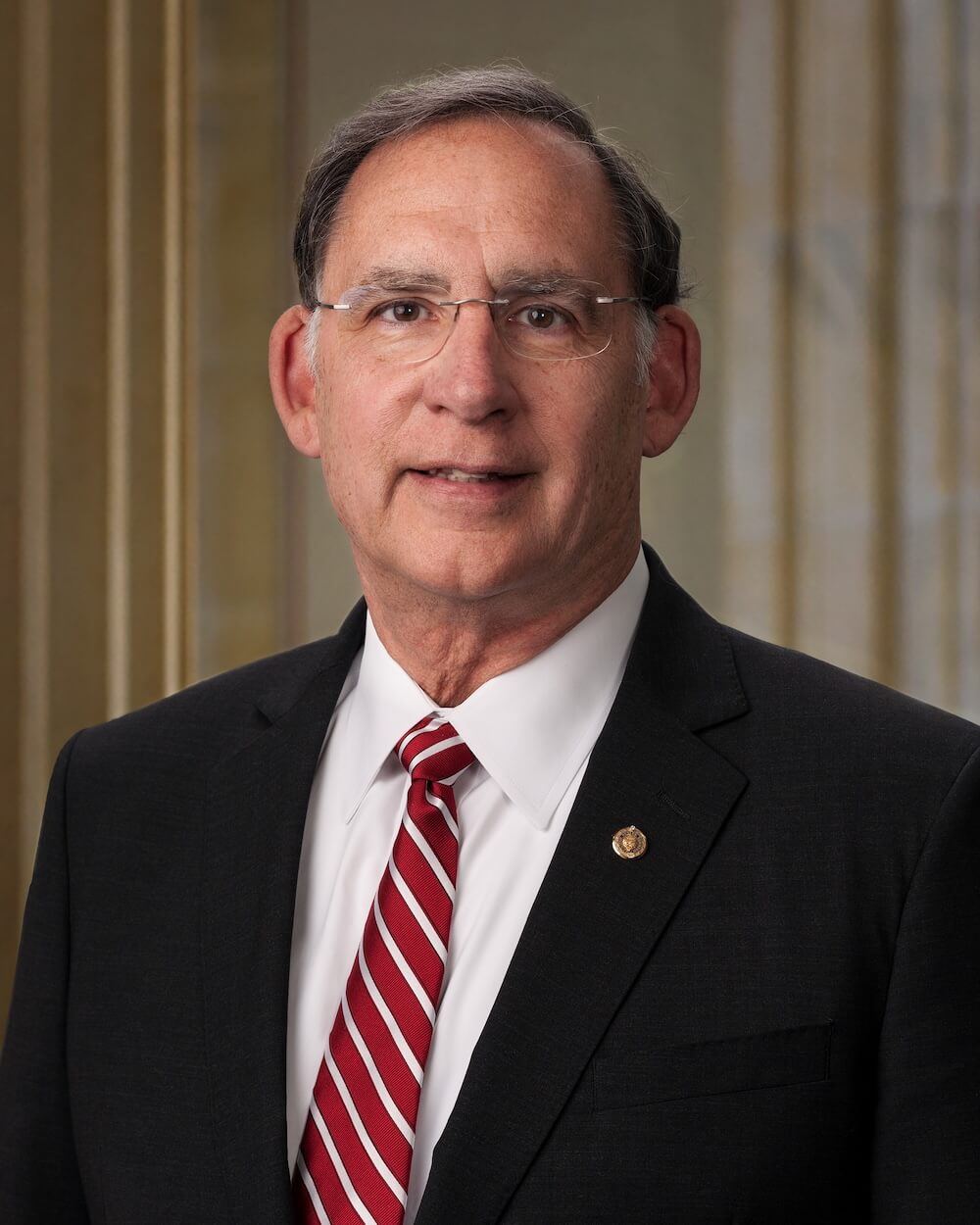
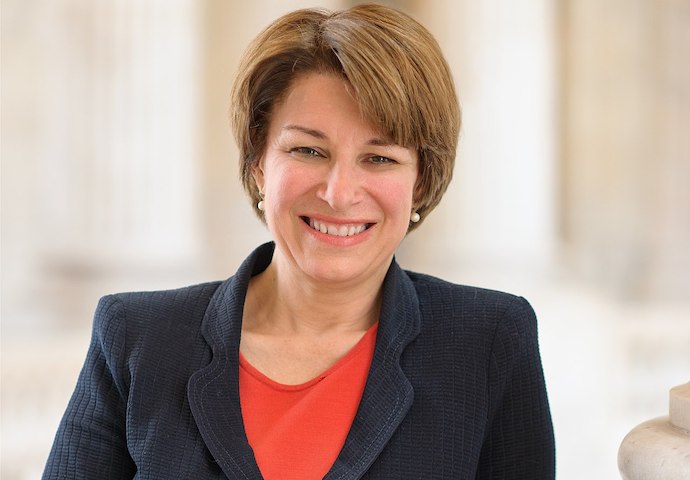
Official portraits: congressional sources.
SNAP, federal nutrition programs and Farm Bill legislation.
- Chair
- John Boozman
- Ranking member
- Amy Klobuchar
- Relevant subcommittee
- Food and Nutrition, Specialty Crops, Organics, and Research
Full membership directory · Hearings and activity · Official public contact information (site footer)
House Committee on Ways and Means
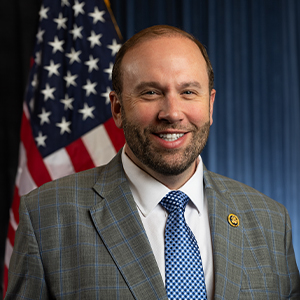
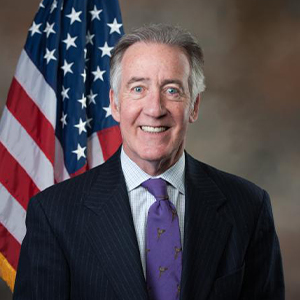
Official portraits: congressional sources.
Federal taxes, Social Security and Medicare provisions within its jurisdiction.
- Chair
- Jason Smith
- Ranking member
- Richard Neal
- Relevant subcommittee
- Health; Social Security; Tax; Work and Welfare (SSI)
Full membership directory · Hearings and activity · Official public contact
House Committee on Energy and Commerce
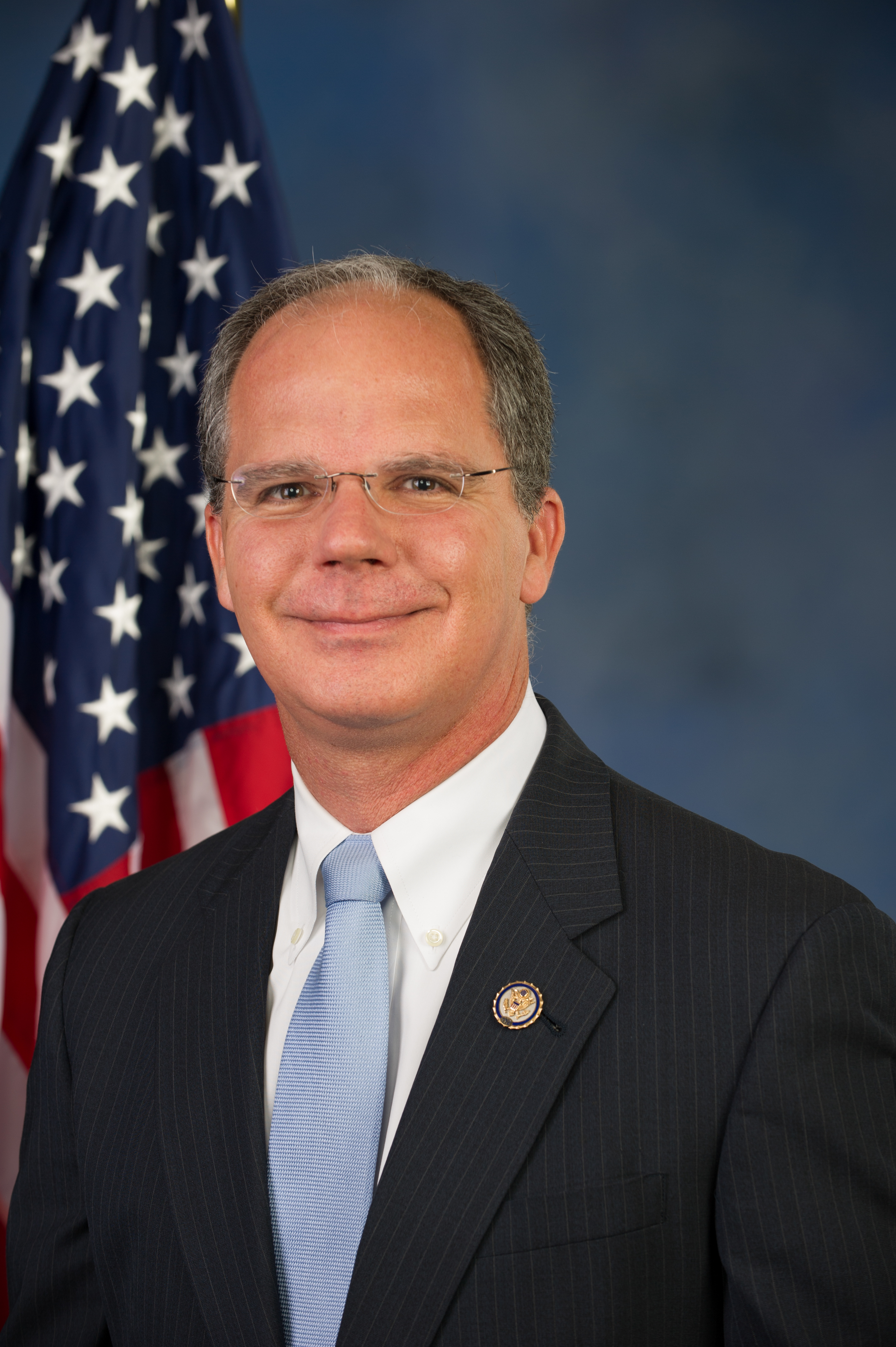
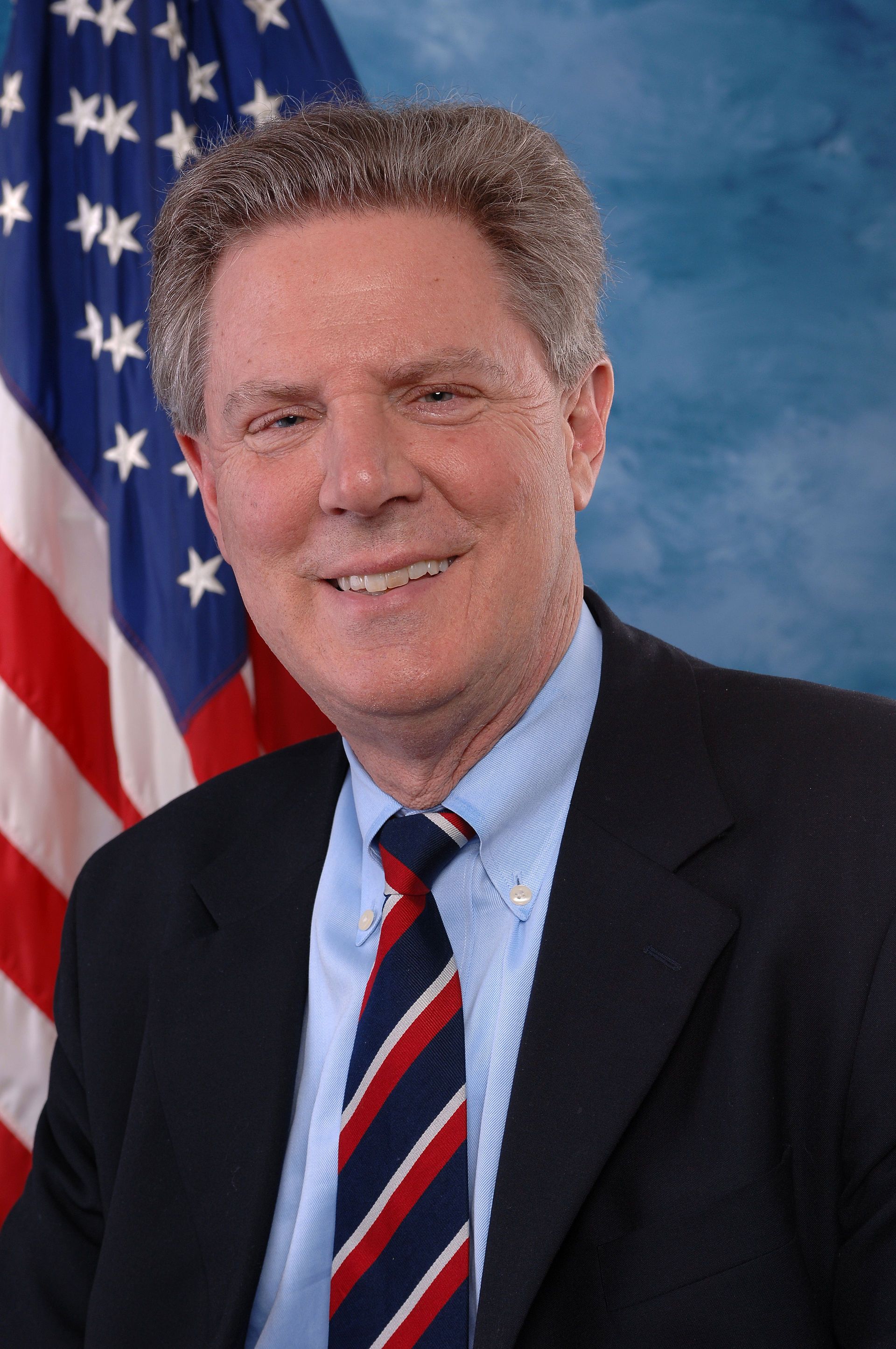
Official portraits: congressional sources.
Medicaid, public health, and Medicare provisions shared with Ways and Means.
- Chair
- Brett Guthrie
- Ranking member
- Frank Pallone Jr.
- Relevant subcommittee
- Health
Full membership directory · Hearings and activity · Official public contact information (site footer)
Senate Committee on Finance
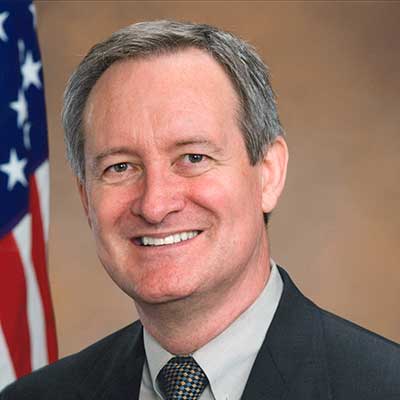
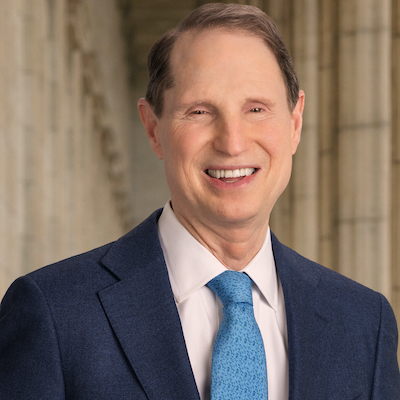
Official portraits: congressional sources.
Medicaid, Medicare, SSI, Social Security and federal tax legislation.
- Chair
- Mike Crapo
- Ranking member
- Ron Wyden
- Relevant subcommittee
- Health Care; Social Security, Pensions, and Family Policy
Full membership directory · Hearings and activity · Official public contact
House Committee on Appropriations

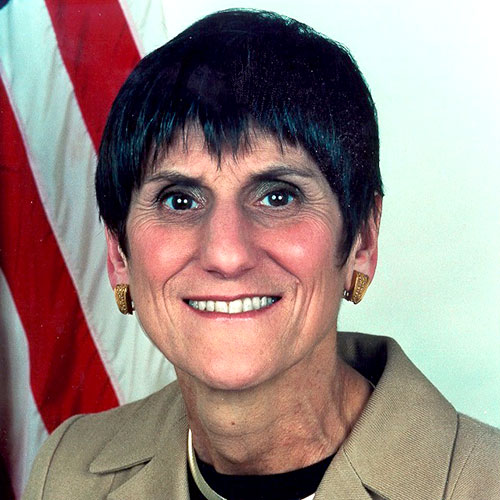
Official portraits: congressional sources.
Annual discretionary funding, including USDA, disaster response and agency operations.
- Chair
- Tom Cole
- Ranking member
- Rosa DeLauro
- Relevant subcommittee
- Agriculture, Rural Development, Food and Drug Administration, and Related Agencies
Full membership directory · Hearings and activity · Official public contact
Senate Committee on Appropriations
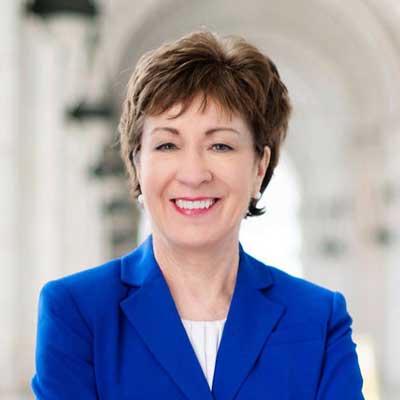
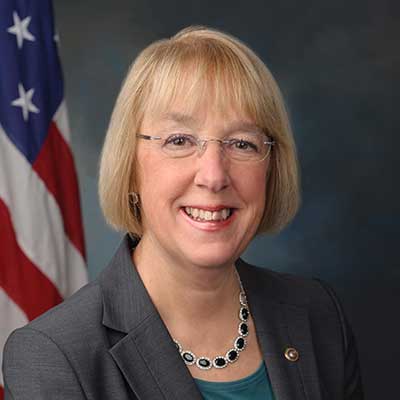
Official portraits: congressional sources.
Annual appropriations and agency funding affecting Puerto Rico.
- Chair
- Susan Collins
- Vice chair
- Patty Murray
- Relevant subcommittee
- Agriculture, Rural Development, Food and Drug Administration, and Related Agencies
Full membership directory · Hearings and activity · Official public contact information (site footer)
House Committee on Veterans’ Affairs
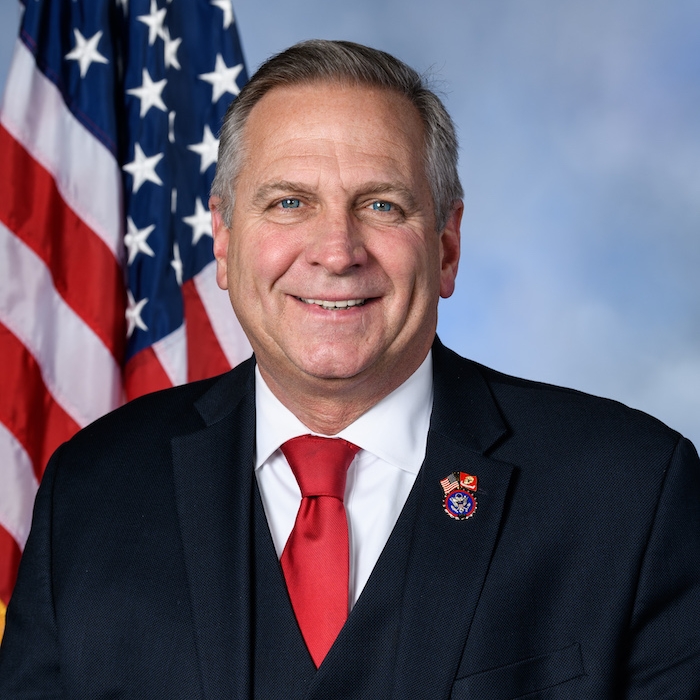
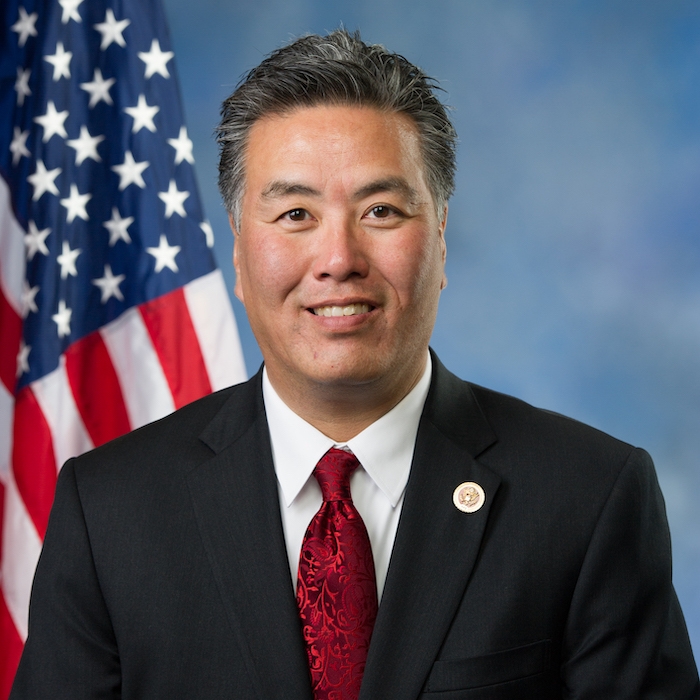
Official portraits: congressional sources.
VA healthcare, disability compensation, education and veterans’ benefits.
- Chair
- Mike Bost
- Ranking member
- Mark Takano
- Relevant subcommittee
- Health; Disability Assistance and Memorial Affairs
Full membership directory · Hearings and activity · Official public contact
Senate Committee on Veterans’ Affairs
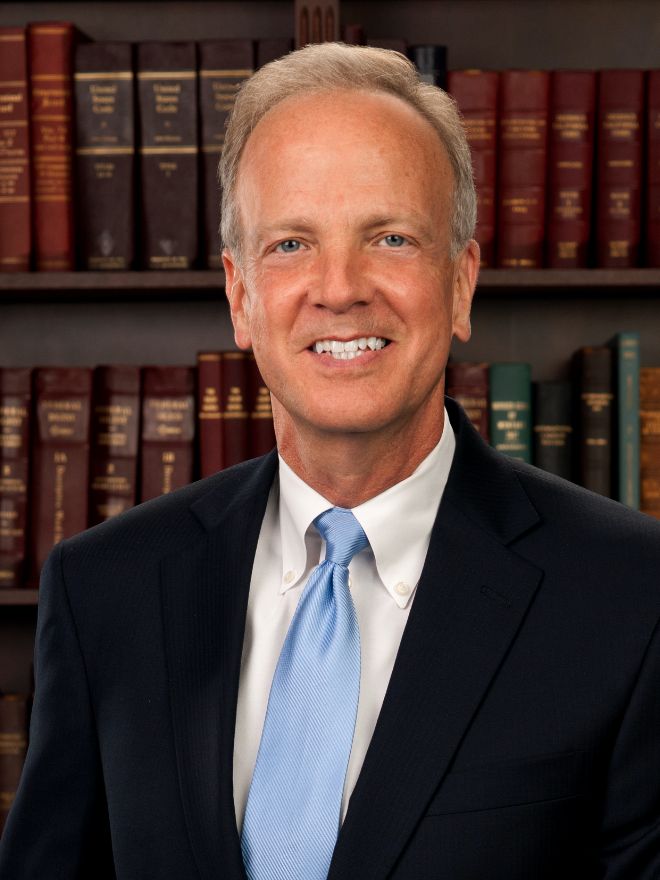
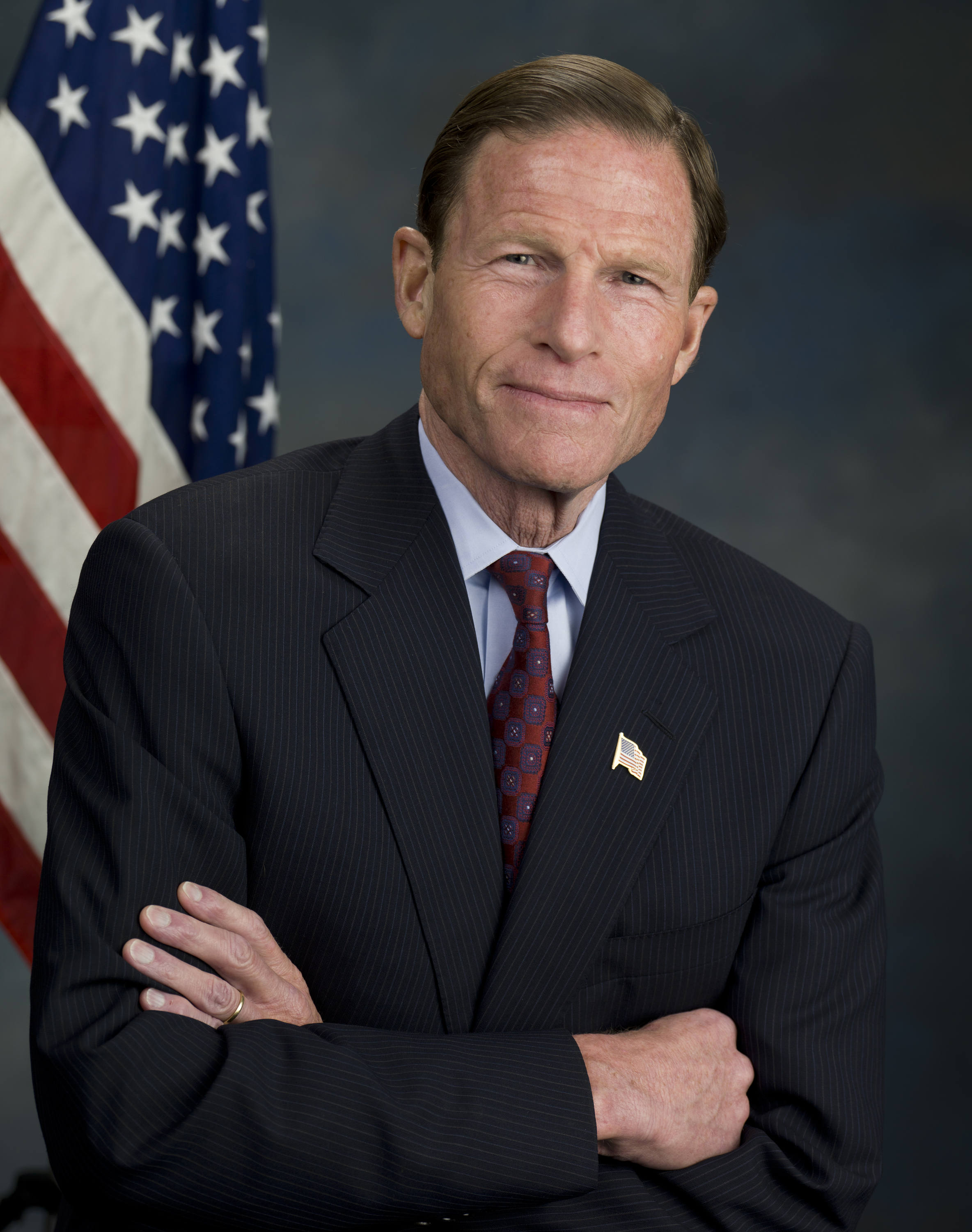
Official portraits: congressional sources.
VA programs, veterans’ healthcare and benefits.
- Chair
- Jerry Moran
- Ranking member
- Richard Blumenthal
- Relevant subcommittee
- Full committee; no standing subcommittees listed
Full membership directory · Hearings and activity · Official contact: ranking member’s staff
Leadership names reflect official committee publications checked on the date above. The official committee sites carry complete membership rosters, hearing schedules and public contact routes. NAPREC is not a congressional office.
Jurisdiction is shared
Start with the issue, then follow the committee.
Status and territorial law
House Natural Resources and Senate Energy and Natural Resources; Department of the Interior and Congress.gov.
Food assistance and Farm Bill
House and Senate Agriculture for SNAP authorization; their Appropriations committees for annual USDA funding; USDA for administration.
Medicaid, Medicare and SSI
House Energy and Commerce and Ways and Means share health jurisdiction; Senate Finance handles tax and entitlement legislation. CMS and SSA administer programs.
Veterans’ benefits
House and Senate Veterans’ Affairs committees oversee VA healthcare and benefits; Military Construction–VA appropriations subcommittees consider annual VA funding.
Disaster recovery and infrastructure
House Transportation and Infrastructure, Senate Homeland Security and Governmental Affairs, Energy committees and Appropriations can have roles depending on the bill; FEMA, HUD and DOE administer distinct programs.
Education, taxes and development
House Education and Workforce and Senate HELP address education law; Ways and Means and Finance address federal tax policy; Appropriations funds agencies.
Find your members of Congress
Use the official House lookup and Senate directory. A ZIP code can cross House districts, so confirm a full address when the result is ambiguous.
Puerto Rico elects a Resident Commissioner to the House, who may serve on committees but does not cast a final House floor vote. Puerto Rico has no U.S. senators.
From jurisdiction to public policy
Federal Policy & Legislative Issues
A practical guide to the laws, agencies and congressional responsibilities behind the issues that affect Puerto Rico. Committee jurisdiction depends on the provisions of a bill; its official referral is the controlling starting point.
1 · Political status and territorial law
Congress: House Natural Resources; Senate Energy and Natural Resources. Federal role: Congress and the Department of the Interior.
Read status proposals separately from the existing territorial framework. PROMESA concerns fiscal oversight and debt restructuring; it does not itself admit Puerto Rico as a state.
CRS R44721: political-status background (June 6, 2024) · Official territorial jurisdiction
2 · Food security: NAP to SNAP
Congress: House and Senate Agriculture; Agriculture appropriations subcommittees. Agency: USDA.
The current block grant and SNAP have different financing and eligibility structures. H.R. 5168 and S. 3958 in the 119th Congress remain proposals in the records checked.
Compare programs, read bills and examine implementation studies3 · Medicaid
Congress: House Energy and Commerce; Senate Finance. Agency: CMS within HHS.
Examine territorial allotments and the applicable federal matching rate separately. Temporary funding legislation must be read with its fiscal years and conditions; it should not be described as permanent parity.
CRS R47821: Medicaid and CHIP provisions of P.L. 117-328 (October 24, 2023) · CMS: 2018 disaster-relief legislation and oversight
4 · Medicare and healthcare
Congress: House Ways and Means and Energy and Commerce; Senate Finance. Senate HELP also handles public-health programs. Agency: CMS/HHS.
Medicare under Title XVIII and Medicaid under Title XIX of the Social Security Act are distinct programs. Eligibility, provider payment and plan financing are different policy questions. Do not assign every House healthcare issue to Ways and Means.
Ways and Means: Health jurisdiction · Senate HELP: public health5 · SSI and Social Security
Congress: House Ways and Means, including Work and Welfare for SSI and Social Security for OASDI; Senate Finance. Agencies: SSA; HHS for the separate territorial assistance programs.
Social Security retirement, survivors and disability insurance operates in Puerto Rico. SSI is a different means-tested program: SSA lists its geographic coverage as the 50 states, D.C. and the Northern Mariana Islands, not Puerto Rico.
SSA: Puerto Rico and the distinction between programs, December 2025 data6 · Veterans’ healthcare and benefits
Congress: House and Senate Veterans’ Affairs; Military Construction–VA appropriations subcommittees. Agency: Department of Veterans Affairs.
Separate legislation governing VA healthcare, disability compensation and education benefits from annual agency funding. Committee oversight is distinct from individual benefit claims or appeals.
House VA: authorizing role and legislation · Senate VA hearings7 · Federal disaster recovery
Congress: House Transportation and Infrastructure and Homeland Security; Senate Homeland Security and Governmental Affairs; relevant Appropriations subcommittees. Agencies: FEMA and HUD administer different assistance streams.
Distinguish a disaster declaration, an appropriation, a grant obligation and an actual disbursement. Stafford Act assistance and housing recovery funds follow different legal and administrative requirements.
House emergency-management jurisdiction · Senate oversight jurisdiction8 · Taxation and economic development
Congress: House Ways and Means and Senate Finance for federal taxation; other committees for specific economic programs. Agencies: Treasury/IRS and the administering agency for each development program.
Federal tax treatment depends on residency, income source and the applicable provision. A blanket claim that Puerto Rico residents pay no federal taxes is misleading.
IRS Publication 570 (2025): U.S. territories tax guide9 · Infrastructure and energy
Congress: House Energy and Commerce and Transportation and Infrastructure; Senate Energy and Natural Resources, with other committees depending on transport, water or environmental provisions. Appropriations funds relevant agencies.
Agencies: DOE, DOT and other program-specific agencies. Grid policy, project grants, permitting and federal oversight are separate stages; an announced allocation does not establish that a project has been completed.
Energy, water and power jurisdiction10 · Education and annual federal funding
Congress: House Education and Workforce; Senate HELP; Labor–HHS–Education appropriations subcommittees. Agency: U.S. Department of Education.
Education authorization, student-aid rules and annual appropriations answer different questions. Track the program, fiscal year and legal authority before comparing amounts across jurisdictions.
House education jurisdiction · Senate education jurisdictionThe Farm Bill and appropriations: two different legislative functions
A Farm Bill can change nutrition and agricultural policy. Appropriations legislation provides funding under applicable rules. For USDA funding, use the official Agriculture, Rural Development, Food and Drug Administration, and Related Agencies subcommittee pages in the House and Senate.
Historical context: separate milestones from current proposals
The Foraker Act of 1900 established a civil government; the Jones Act of 1917 extended U.S. citizenship and revised that framework. Congress authorized a constitutional process in 1950, followed by approval of Puerto Rico’s constitution in 1952. These developments did not confer statehood. The CRS political-status report provides the legislative context.
Nutrition policy changed to a block grant in 1982; the nutrition tracker connects the 2010 and 2022 USDA studies with later congressional proposals. Federal benefit differences must be analyzed program by program: Social Security, SSI, Medicaid and Medicare do not share identical territorial rules.
Research reviewed October 10, 2026. Source titles and report years identify the underlying evidence; a website update is not necessarily a report’s publication date. Linked official records may be updated after this review. NAPREC’s support for equality through statehood is an organizational position, not a description of enacted legislation.
How to verify a claim
Open a bill’s Congress.gov page for the current status, actions, text, sponsors, cosponsors and referrals. Review committee calendars for hearings. Separate enacted law from an introduced proposal, and compare agency reports with the specific fiscal year and assumptions they use.
Congress.gov committee directory ↗ · House committees ↗ · Senate committees ↗ · NAPREC legislation and history → · Civic tools →
NAPREC advocates equality through statehood. The descriptions above explain jurisdiction and the public record; our organizational position is distinct from a committee’s actions.
119TH CONGRESS · LEGISLATIVE RECORD
Proposals by issue: from text to action
Nine additional measures, checked directly on Congress.gov on October 10, 2026. All remained introduced, not enacted. This selected inventory complements the dedicated NAP-to-SNAP tracker.
9 bills
Political status
H.R. 9246 · Puerto Rico Democratic Self Determination Act
Introduced · Not law
Would establish a federal status-vote process with independence, commonwealth, statehood and free association options. This is not an admission law or a scheduled election under current law.
- Sponsor
- Pablo José Hernández (D–PR)
- Introduced
- 2026-06-10
- Latest recorded action
- 2026-06-10 · Referred to the listed committee(s).
- House referral
- Natural Resources
- Cosponsors when checked
- 8
Medicaid and Medicare
H.R. 6494 · Territories Health Equity Act of 2025
Introduced · Not law
Would change territorial Medicaid funding limits and Medicare rules, including certain late-enrollment penalties and Medicare Advantage calculations. Proposed dates in the text do not make these changes effective before enactment.
- Sponsor
- Stacey Plaskett (D–VI)
- Introduced
- 2025-12-05
- Latest recorded action
- 2025-12-05 · Referred to the listed committee(s).
- House referral
- Energy and Commerce; Ways and Means
- Cosponsors when checked
- 4
Medicare Advantage
H.R. 10747 · Puerto Rico Medicare Advantage Fairness Act of 2026
Introduced · Not law
Would align the average geographic adjustment used in Puerto Rico Medicare Advantage payment areas with the adjustment for the U.S. Virgin Islands for specified years beginning in 2027. It does not guarantee a particular premium or benefit to an individual enrollee.
- Sponsor
- Raul Ruiz (D–CA)
- Introduced
- 2026-10-05
- Latest recorded action
- 2026-10-05 · Referred to the listed committee(s).
- House referral
- Ways and Means; Energy and Commerce
- Cosponsors when checked
- 3
SSI and federal benefits
H.R. 4814 · Supplemental Security Income Equality Act
Introduced · Not law
Would extend SSI to eligible residents of Puerto Rico and other currently excluded territories, with implementation provisions. It is distinct from Social Security retirement and disability insurance.
- Sponsor
- James Moylan (R–GU)
- Introduced
- 2025-07-29
- Latest recorded action
- 2025-07-29 · Referred to the listed committee(s).
- House referral
- Ways and Means
- Cosponsors when checked
- 5
Health coverage and tax credits
H.R. 6479 · Puerto Rico Affordable Care Act of 2025
Introduced · Not law
Would require an Affordable Care Act exchange in Puerto Rico, apply specified market reforms and extend premium tax-credit treatment. The text generally ties implementation to one year after enactment.
- Sponsor
- Darren Soto (D–FL)
- Introduced
- 2025-12-04
- Latest recorded action
- 2025-12-04 · Referred to the listed committee(s).
- House referral
- Energy and Commerce; Ways and Means
- Cosponsors when checked
- 1
Disaster recovery
H.R. 10441 · Puerto Rico Disaster Recovery Completion Act of 2026
Introduced · Not law
Would extend deadlines for covered, unfinished recovery projects associated with Irma, Maria, the 2019–2020 earthquakes and Fiona to December 31, 2035, and require progress reports. It does not extend every project automatically under current law.
- Sponsor
- Pablo José Hernández (D–PR)
- Introduced
- 2026-09-16
- Latest recorded action
- 2026-09-16 · Referred to the listed committee(s).
- House referral
- Transportation and Infrastructure
- Cosponsors when checked
- 2
Energy and infrastructure
H.R. 5432 · Puerto Rico Energy Oversight and Accountability Act
Introduced · Not law
Would require GAO studies of LUMA Energy and Genera PR operations, recovery coordination and use of federal funding, with recommendations. A proposed study is not a finding of misconduct.
- Sponsor
- Pablo José Hernández (D–PR)
- Introduced
- 2025-09-17
- Latest recorded action
- 2025-09-17 · Referred to the listed committee(s).
- House referral
- Natural Resources
- Cosponsors when checked
- 0
Veterans and housing
H.R. 585 · Supporting Veteran Families in Need Act
Introduced · Not law
Would permanently extend authorization for VA’s Supportive Services for Veteran Families program. This is a nationwide proposal relevant to eligible veterans, not a Puerto Rico-only allocation.
- Sponsor
- Nick LaLota (R–NY)
- Introduced
- 2025-01-21
- Latest recorded action
- 2025-02-25 · Referred to the listed subcommittee.
- House referral
- Veterans’ Affairs; Economic Opportunity Subcommittee
- Cosponsors when checked
- 10
Education and school infrastructure
H.R. 7340 · Rebuild America’s Schools Act of 2026
Introduced · Not law
Would support school-facility improvements through grants and financing provisions. Its definition of State includes Puerto Rico. Authorization, appropriations, awards and completed construction remain separate steps.
- Sponsor
- Robert C. “Bobby” Scott (D–VA)
- Introduced
- 2026-02-04
- Latest recorded action
- 2026-02-04 · Referred to the listed committee(s).
- House referral
- Education and Workforce; Ways and Means
- Cosponsors when checked
- 98
Dates use YYYY-MM-DD. Referrals describe these House bills; they do not automatically assign a measure to a Senate committee. A hearing about an issue is not necessarily a hearing on a particular bill. None of these nine bill records linked a CBO estimate when checked.
UNDERSTAND · VERIFY · FOLLOW
Your guide to the congressional record
Turn a headline into a verifiable record. Use this guide to follow an issue, understand legislative language and share information with context.
Follow a bill in five steps
- Identify it precisely. Record the chamber, number and Congress. A bill number alone is not a unique historical identifier.
- Read Actions and Text. Note the latest action and which text version you are reading. A summary is a useful introduction, but the legislative language supplies the details.
- Check the referral. Open the committee’s hearing and meeting pages. Look for the bill number, date, witnesses and any published report.
- Follow both chambers. Passage in one chamber is not enactment. Check whether both have agreed to identical legislation and whether it became law.
- Record what remains. Separate pending votes, funding, effective dates and agency implementation.
Receive updates from the official source
On Congress.gov, create or sign into your own account and use Get Alerts on a bill. Saved-search alerts can help follow a topic across measures. Member alerts can help track sponsorship and cosponsorship.
Choose the official alerts that match your research. NAPREC’s dated snapshots are not an automatic legislative feed; the linked congressional record may contain later actions.
Library of Congress: guide to email alerts (2020) ↗
Before sharing a claim
Include the original source, the date checked, the relevant Congress and the exact action. Say whether an amount is an estimate, an authorization or actual funding. Preserve the year and assumptions of older research.
Legislative terms, explained
Does a committee referral mean a bill has been approved?
No. It identifies the committee assigned to consider the measure. A hearing gathers information; a markup considers changes and committee action. Neither is the same as passage by the House and Senate or enactment.
What do sponsors and cosponsors tell me?
They identify the introducing member and members formally associated with supporting the measure. A cosponsor count is not a recorded floor vote, a prediction of passage or proof of unanimous committee support.
Are hearings, testimony and committee reports interchangeable?
No. A hearing can include oral testimony and questioning; a submitted written statement may omit that exchange. A committee report documents the committee’s work or findings. Check the complete recording and official documents before attributing a position.
How can I recognize a law rather than a proposal?
Check the official record for enactment and the public-law number. Both chambers must agree to the same text before presentation to the President. A press release or passage by only one chamber does not establish that a proposal became law.
Educational sources: U.S. Senate committee guide; USAGov legislative overview (updated November 17, 2025); Library of Congress alerts guide above. Reviewed October 10, 2026. NAPREC’s explanations are original educational summaries.
Explore committees ↑ Explore current proposals ↑ Media inquiries